Trian对冲基金CEO: Nelson Peltz的投资理念与股东民主

最近,华尔街那个被称为“企业刺客”的老江湖——82岁的Nelson Peltz(纳尔逊·佩尔茨)出来讲话了。这老头一般人还真不认识,但是说一下他亲家,英国的贝克汉姆(小贝大儿子布鲁克林的媳妇是尼可拉.佩尔茨),大家就都知道了。

纳尔逊·佩尔茨,他是Trian基金的老大,专门盯着那些管理不善的巨头公司,进去就是一顿整改。
他在《华尔街日报》的最新访谈里,透露了几个惊人的信号。正如投资大师查理·芒格所说:“钓鱼的第一条规则是,去有鱼的地方钓鱼;第二条规则是,别忘了第一条。” 佩尔茨现在的动作,就是在告诉我们,鱼群游向哪里了。
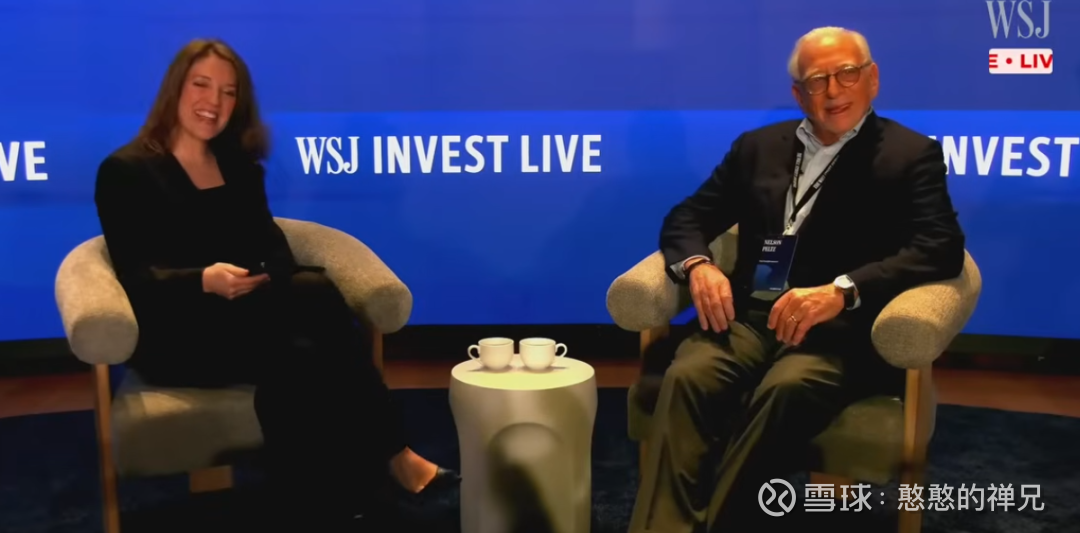
佩尔茨这次访谈的核心逻辑其实就三句话:别玩虚的财务游戏、AI是真家伙但要看落地、指数基金正在毁掉市场。禅兄具体拆开聊一下。
一、 拒绝“财技”,拥抱“实干”:只看谁能把货卖出去
佩尔茨最反感别人叫他“激进投资者”,他自称“建构主义者”。什么意思?就是别整天想着借钱回购股票、粉饰报表来拉高股价。那种搞法,虽然短期爽,长期就是火葬场。
他的逻辑简单粗暴:我就看你能不能把销售额(Sales)提上去,能不能把利润(Profit)做出来。 如果管理层只会玩表格,那就滚蛋;如果能把产品卖爆,那就是好公司。
【禅兄实战解读】
🇺🇸 美国股市:通用电气 (GE)
逻辑: 这正是佩尔茨亲自操刀过的案例。把一个臃肿的巨头,拆分成航空、医疗、能源三个独立公司。为什么?因为拆分后,每个CEO都有明确的“P&L”(损益)责任,谁也别想混日子。
最新表现: 拆分后的GE Aerospace(航空)股价一路长牛,因为它是卖发动机的,硬通货。
投资技巧: 盯着航空发动机的订单交付周期。现在全球缺飞机,GE就是卖铲子的。虽然股价高了,但逻辑最硬。
🇪🇺 欧洲股市:联合利华 (Unilever)
逻辑: 佩尔茨就在这儿当董事。他进去后,逼着公司砍掉那些不赚钱的网红品牌,专注搞多芬、也就是那些能真正卖货的大品牌。
最新动态: 就在前不久,联合利华宣布要剥离冰淇淋业务(和路雪、梦龙)。为啥?因为那是冷链,成本高、利润薄。这就叫“实干”。
估值建议: 欧洲经济差,消费股估值被压制。现在买它,就是在买全球通胀背景下的提价能力。
二、 一级市场已死,二级市场遍地黄金
佩尔茨说了一句得罪半个华尔街的话:“私募股权(PE)已经摔了个狗吃屎。”
以前大家觉得还没上市的公司(一级市场)是香饽饽,现在反过来了。一级市场估值虚高,反而是二级市场(股市)里,很多好公司被打折促销。他举了Janus Henderson的例子,20块买进,49块卖出,这可是145%的收益啊!怎么做到的?就是买那种被市场遗忘、但现金流好的公司。
【禅兄实战解读】
🇺🇸美国股市:伯克希尔·哈撒韦 (BRK.B)
逻辑:巴菲特手握几千亿现金不乱动,为什么?因为他在等像佩尔茨说的那种“价格合理”的机会。他现在买石油股(西方石油),就是觉得比科技股的一级市场融资便宜。
投资技巧: 把伯克希尔当成你的“避险基金”。当纳斯达克泡沫破裂时,它是你唯一的避风港。
三、 AI是“轧棉机”,别买概念,买“提效”
关于AI,佩尔茨这老头看得通透。他说AI像“轧棉机”(Cotton Gin),是革命性的,但这过程会很痛苦,会死很多人(失业),但活下来的公司效率会暴增。
重点来了:他不是去炒那些还在烧钱做大模型的公司,而是用AI去改造那些传统公司(比如资产管理公司)。
【禅兄实战解读】
逻辑: 它是唯一一个能把AI立刻变成真金白银(Copilot订阅费)的公司。这就符合佩尔茨的“实干”逻辑。
估值建议: 虽然贵,但它是公认的AI基础设施。
🇪🇺 欧洲股市:SAP (SAP)
逻辑:德国的软件巨头。最近刚宣布了重组计划,用AI替代部分岗位,涉及8000个职位。听着残酷,但对股东是利好,因为效率提升了,利润率(Margin)会涨。
投资逻辑: 欧洲没啥硬核科技,SAP是矮个子里拔将军,且B端客户粘性极高。
四、 警惕“指数基金”陷阱,远离“混子”管理层
这段话最扎心。佩尔茨说,指数基金(ETF)是最大的隐患。因为它们持有25%甚至更多的股份,但它们根本不在乎股价涨跌,只在乎收管理费。这导致管理层没人监督,全是“混子”。(中国有这个趋势啊!本来上市公司治理就低效,以后……)
他点名批评了迪士尼。他在119块清仓跑了,现在跌到100出头。他说迪士尼开会,屋里坐了八九个人,没有一个人是对盈亏(P&L)负责的,全是职能部门(Staff)的闲人。这种公司,坚决不能碰!
【禅兄实战解读】
🇨🇳 中国股市:福耀玻璃 (600660.SH)
逻辑: 为什么要买曹德旺的公司?因为他是创始人,他对每一块玻璃的利润负责。这跟那些国企里混日子的管理层完全不同。
投资技巧: 这种创始人掌舵、且在行业里有绝对定价权的公司,是抗衡“指数平庸化”的神器。
🇺🇸 美国股市:避坑迪士尼 (DIS),关注波音 (BA) 的反转?
逻辑:迪士尼如果不解决CEO艾格的“垂帘听政”问题,如果不把臃肿的创意部门砍一砍,股价很难回到200。反而像波音这种跌到谷底、刚刚换了管理层准备“刮骨疗毒”的,可能更有佩尔茨式的机会(风险极大,仅供观察)。
🇪🇺 欧洲股市:爱马仕 (Hermès)
逻辑:家族绝对控股。他们不在乎指数基金怎么想,他们只在乎家族基业。这种股权结构,反而在这个动荡的年代最稳。股价虽然贵,但它是真正的奢侈品,不是LVMH那种大众奢侈品。
结语
佩尔茨虽然82岁了,但他依然是那个嗜血的猎人。他的话给我们敲响了警钟:
不要迷信大盘指数,不要相信那些满嘴概念却拿不出利润报表的CEO。
在这个充满不确定性的时代,只有抓住那些现金流充沛、管理层负责、且能利用AI实实在在降本增效的公司,你的财富才能穿越牛熊。
看懂了佩尔茨的逻辑,你也就看懂了这一轮资本游戏的真相。
(文中观点仅供参考,投资有风险,入市需谨慎)
【英文原文】
Interviewer: All right, thank you. Wow, bright lights. Well, thank you, Nelson. We've been talking about doing this for a while, so I'm so excited to finally have you up here. Let's start with the big picture. Trian actually just celebrated its 20-year anniversary at the end of last year, a big milestone. You've obviously seen a lot over your career. I think some 40 engagements with companies, 20 boards, just four proxy fights during that time. How has the activismlandscape evolved during those 20 years?
Nelson Peltz: I don't like the word activism. Let's start right there. In our case, it's constructivism, and I don't say that with tongue in cheek. We don't go into these companies to fire people. We don't go into these companies to leverage them up and buy back stock. If your solution is only a balance sheet solution, then you don't need us there. You just call your local investment banker, and he can tell you how to change your balance sheet around.
What our goal here always is, is trying to figure out how to get sales up much faster than they had historically, had earnings to go along with it, and have them look at new ancillary avenues for them to do that. I think some of the bigger names we were involved with was P&G, which was the largest proxy fight ever and ended beautifully. Nobody got fired. We got on the board, peace broke out immediately. It was unnecessary to have that proxy fight, and the stock went from the 70s to 160. So we were happy, and I think anybody else was happy. We didn't do it by hiving off businesses, and we didn't do it by leveraging the balance sheet. We just got sales up, and profits went along with it, and we changed some things structurally in the company. That's our goal all the time. These are not personal issues.
Interviewer: To kind of follow up and build on that—and I know you don't like the word activism—we did a story, I believe it was late last year, on this idea that the era of the big-name activist is over and behind us. I think part of the thinking was folks like Bill Ackman and Dan Loeb, and maybe even yourself, just aren't running as many proxy fights, and there were a lot more settlements. It feels like we'd been trending in that direction. So, as you think about the future of the industry, where do you think we are today, and what do firms look like in the future? Maybe we're seeing less and less of those big names.
Nelson Peltz: The roots of Trian are not proxy fights and not activist; it's buying whole companies. That's what we did very well in the 80s and the 90s with American National Can and Snapple and a whole bunch of others like that. We did that without a fund because a fund sort of restricted us. It didn't allow us to buy a block of stock and interact with management, which is what we did with Janus Henderson. We bought 20%, made a bid for the company, partnered with Hermont—your previous guest here—and he brings a whole new view on the world.
Everybody's talking about AI, but I really wonder how many people are really doing it. With Hermont, I think we're going to really be able to apply AI to asset management in a very meaningful way. So I think that you'll be seeing Trian going back to our roots a bit. Now that private equity is sort of fallen on its face—it's not very popular—we always had a saying in Trian: we want to buy what we want to buy, when we want to buy it, at a price that makes sense to us, and not one where somebody sent us a blue book from Wall Street to put a bid in on this deal that just came out. That's not the way we do it. We invest because we have a plan.
Interviewer: And you invested in Janus during the pandemic?
Nelson Peltz: Yeah, we invested in Janus about three, three and a half years ago. We bought the stock about 20, 21. We just agreed to buy the rest at $49. And think of it, the price we're paying today is almost the same multiple as we paid in the low 20s. So that says the company did a couple of things right. We put two of our partners on the board. We brought in a new CEO, Ali, who was just an absolute star, and he turned that company around. He turned outflows into inflows, and the company started to grow. We thought there were more things we could do as a private company than a public company.
Then we got Hermont to come in and do stuff a little differently than what he's accustomed to, but he's added so much to our plan. Because everybody's talking about AI, everybody thinks they're doing it a little bit, and everybody is doing it a little bit, but it really has a major application. With Hermont, I think we're going to be able to really, really use it so well and so efficiently at this company and hopefully others that we might do.
Interviewer: You've referred to it, at least to me in our conversations, as a Trian 2.0, and kind of this new era that you all are entering, and possibly the potential to do more deals like this deal with Janus and maybe with other investors like General Catalyst.
Nelson Peltz: You're right. Look, it may not be 2.0; it might be 0.5. We used to buy all of a company. I like doing that. I don't have to do a dance for a boardroom. We can start to put in what we'd like to do and get done rather quickly. So I like the idea that private equity is sort of shut down, prices become more reasonable, deals become more productive, so we can do things the way we'd like to do it. I think this is a market that's sort of coming our way.
Interviewer: Going back to AI, which again Hermont just touched on a bit earlier with Miriam, but from an investing standpoint, do you think there's a bubble? Do you view it as risky? Like as an investor, would you put money in now, or how are you thinking about the AI trade?
Nelson Peltz: Look, I think with every major breakthrough—and AI clearly maybe is as important as the cotton gin, that's what I'm being told anyway, and who am I to dispute that—there's going to be some pain. There's going to be a rough period. But the companies that come out of it and the societies that come out of it are going to be way better off. I don't know if there are any lawyers in the room, maybe a few, but you guys have been impacted by AI—which, not being a lawyer, I'm sort of happy about. I know who to ask a question to, and I get a pretty good answer.
What's fascinating is, the only person who's less technological than me is my wife, and she's talking to AI all the time. It's amazing, really amazing to see the way this thing is being used not just by businesses but the public. They're really using this stuff. It's going to make us so much more efficient. Unfortunately, we're going to have a bump in the road with a lot of employees are going to be displaced, and we've got to figure out how to negotiate through that. But the worst thing we can do is have government put the brakes on it. That's something I worry about, that they slow it down because of this fear of unemployment. We have such a leadership position versus the rest of the world today; I don't want to see us fall behind. We've got to figure out a way around that. But look, it's progress and it's amazing progress today. For an old guy, for me, it's really amazing.
Interviewer: So you were telling me earlier you've been doing AI before AI even existed?
Nelson Peltz: Oh, absolutely. I named it.
Interviewer: Exactly. Well, kind of related, but the current administration and President Trump, that seems to be something that's very top of mind for himself. And you've got others like Elon Musk who are also very focused on it, and he just announced a big deal merging SpaceX and xAI. You have relationships with folks like this, Trump and Musk and others in the administration. How do you feel about the impact that generally Trump and this administration has had on the market? Agree or disagree with a lot of where things are going?
Nelson Peltz: We don't have enough time for that. But look, like everything else, I like a lot of things that Trump has done, and I disagree with some things that he's done. I think he's using tariffs the wrong way. I was hoping—and I think Elon the same was hoping—that the threat of tariffs were going to lower tariffs so we had closer to free trade with us and our trading partners, and not being used as a source of revenue. And it seems to be coming that way; the story is not over yet. So I'm hoping that it does that, it lowers the trading barriers, which is the right thing. Because we can compete in most areas. I mean, a Chevy shouldn't cost 150 grand in Germany. It should not. Where a Volkswagen is just a normally priced vehicle here. That's what I thought was going to happen. And instead, we're making a lot of money on the Volkswagens coming in here. I'm just hoping that's temporary. But for the most part, I think what Trump has done and is doing, I tend to agree with.
Interviewer: Another big news item this morning is Disney just named its new CEO. I've been following the Paramount situation with Warner and Netflix, and so just generally there's a lot going on in media. And Disney obviously, you guys were...
Nelson Peltz: I don't know anything about that. No, no. I haven't been following that one.
Interviewer: But a big point of your campaign was succession planning, and Disney has had starts and stops along the way in finding its new leader to replace Iger. I wonder if you think Josh Demiro is the guy?
Nelson Peltz: Well, I didn't think there was any choice. Because Iger needs a reason to stay on. And if he put the person in charge of entertainment as the CEO, he wouldn't have an excuse to stay on. So now he's got poor Josh, who will—you'll find the statement—"Josh doesn't know anything about the movie business, the entertainment, therefore I'm going to stay on and guide him." Watch that, folks. See if I'm wrong. We'll see.
Bob has done that a couple of times. We sold our stock the day the proxy fight was over at 119. That's not quite two years ago. The stock was about 105 yesterday. If it just kept pace with the market, the stock would be a shade under 200. So that's what happened when you beat us in a proxy fight: you gave away about 90 points. And I say that humbly, because we had a very good plan for Disney. It didn't involve leveraging up, it wasn't buying back stock; it was creating real momentum to the operating businesses.
I'll tell you this, it was interesting. We had one meeting with management and the board, only one in-person meeting. And when they brought management in—and this is a very telltale sign after you've done this as many times as we have—the management they brought in the room, about eight or nine people, there was not one person in that room who had a P&L responsibility. All staff jobs. That's not the way you run a railroad. It's the men and women who are creating sales and EBIT that are the people you want to talk to. You want to let them do their job and get out of the way. Get all the clutter out of the way. And then if they do a good job, promote them, pay them more. If not, give them another job. But that confirmed everything that I felt about Disney at that point. Everybody was a staff job who came in the room. He's got his work cut out for him. He sure does. Time will tell, and I hope he's given the opportunity to do it.
Interviewer: During that fight, during that campaign, and just like any proxy fight nowadays, the idea of shareholder democracy, the role of proxy advisors—which is ISS and Glass Lewis—continues to be a big point of conversation. You had Jamie Dimon come out and say JP Morgan is getting away with them and using AI instead to replace these proxy advisors. I'm curious about your thoughts on the role that these play.
Nelson Peltz: Look, the proxy advisors, in my opinion, are not the issue. Certainly, most of them liked us. What I think the real issue is, is the index funds. They are the only shareholder who really doesn't care if the stock goes up or down. And that's a problem, because they're the biggest shareholders. I want to talk to a man or woman who cares if it goes up or has got a short on the stock. I know where they stand, and my goal is to interact with them. But when the biggest shareholders who own roughly 25% of most companies today are the index funds who don't care if that stock goes up or down—and that 25% becomes 30, 35% because everybody doesn't vote, but they do—they really swing the cat around the room, and they don't have a dog in the hunt. That has got to change. I know there's talk of legislation, and boy, I hope they pass it. Because I want to talk to the people who care if the stock goes up or care if it goes down. Those are the people I care about, not the man or woman who just owns the stock and is getting a fee whether it goes up or down. Doesn't make a difference.
Interviewer: No, that'll be an interesting one to watch. I know we're running out of time. One more thing, I'd be remiss not to ask you. I know you have tons of experience negotiating high-stakes situations particularly playing out in public view, and particularly with your family. Your daughter recently has been...
Nelson Peltz: Has my family been in the press lately? I haven't noticed that at all.
Interviewer: But I just wonder from your perspective if you've been able to offer your family any advice on how to navigate such situations.
Nelson Peltz: I do. It's good advice to get. Sometimes they give me advice. My advice is: stay the hell out of the press. I mean, so how much good did that do? But you know, my daughter and the Beckhams are a whole other story, and that's not for coverage here today. But I'll tell you, my daughter is great, my son-in-law Brooklyn is great, and I look forward to them having a long, happy marriage together. She's got another movie on the way, I don't know if I say that coming out.
Interviewer: Yeah, I watched the first one, so I'll have to keep an eye out for that.
Nelson Peltz: I will.
Interviewer: Well Nelson, I could do this all day. You're awesome. Thanks for joining us again. Thank you for the audience sitting through this. And we got a wrap now. And I believe after this we actually have a 20-minute break, so good opportunity for you guys to grab a...
【中文翻译】
采访者:好的,谢谢各位。哇,这灯光真耀眼。那么,谢谢你,Nelson。我们讨论这个访谈已经有一段时间了,所以我很高兴终于能邀请你来到台上。让我们从宏观角度开始。Trian 在去年年底刚刚庆祝了成立20周年,这是一个重要的里程碑。显然,在你的职业生涯中阅历无数。据我所知,期间你们参与了大约40家公司的管理,任职于20个董事会,却只发起过4次代理权之争(proxy fights)。在这20年里,激进投资(activism)的格局发生了怎样的演变?
Nelson Peltz: 首先要说的是,我不喜欢“激进主义”(activism)这个词。对我们而言,那是“建构主义”(constructivism),我这可不是在开玩笑。我们进入这些公司不是为了解雇员工,也不是为了加大公司杠杆来回购股票。如果你的解决方案仅仅是资产负债表层面的,那你不需要我们,直接给当地的投资银行家打个电话,他就能教你怎么调整资产负债表。
我们的目标始终是:设法让销售额的增长速度远超历史水平,让盈利随之增长,并促使他们寻找新的辅助途径来实现这一目标。我想我们参与过的知名案例之一就是宝洁公司(P&G),那是历史上规模最大的一次代理权之争,但结局非常完美。没有人被解雇。我们进入了董事会,双方随即握手言和。那场代理权之争其实本无必要,而股价也从70多美元涨到了160美元。所以我们很高兴,我想其他人也很高兴。我们要么没做剥离业务的事,也没通过加大资产负债表的杠杆来达成目标。我们只是提升了销售额,利润随之而来,并且我们在公司内部进行了一些结构性的调整。这一直是我们的目标。这些都不是针对个人的恩怨。
采访者:顺着这个话题——我知道你不喜欢“激进主义”这个词——我们在去年年底做过一篇报道,中心思想是“大牌激进投资者”的时代已经结束并成为过去式了。我认为部分原因在于像 Bill Ackman 和 Dan Loeb 这样的人,甚至包括你自己,不再频繁发起代理权之争,而是达成和解的情况变多了。感觉趋势确实如此。那么,当你思考这个行业的未来时,你认为我们现在处于什么位置?未来的公司会是什么样子?也许我们会越来越少看到那些大名鼎鼎的人物了。
Nelson Peltz: Trian 的根基并非代理权之争,也不是激进投资,而是收购整个公司。这正是我们在80年代和90年代在 American National Can 和 Snapple 等一系列公司上做得非常成功的事情。那时我们要么没有成立基金,因为基金在某种程度上限制了我们。它不允许我们买入大宗股票并与管理层互动,而这正是我们在 Janus Henderson(骏利亨德森)这个案子上所做的。我们买入了20%的股份,对公司提出了收购要约,并与 Hermont——也就是你们刚才邀请的嘉宾——合作,他为世界带来了全新的视角。
大家都在谈论人工智能(AI),但我真怀疑有多少人是在动真格的。有了 Hermont,我认为我们真的能够将 AI 以一种非常有意义的方式应用于资产管理。所以,我想你会看到 Trian 在某种程度上回归我们的本源。既然私募股权(Private Equity)现在有点“灰头土脸”——不再那么受追捧了——我们在 Trian 只要有一句老话:我们要在想买的时候,以我们认为合理的价格,买我们想买的东西;而不是等着华尔街寄来某本“蓝皮书”(项目建议书),让我们去竞标某个刚出炉的项目。那不是我们的行事风格。我们投资,是因为我们有计划。
采访者: 你们是在疫情期间投资 Janus 的吗?
Nelson Peltz: 是的,我们大约在三年或三年半前投资了 Janus。我们要么是在20、21美元左右买入的股票。我们刚刚同意以49美元的价格收购剩余股份。你想想看,我们今天支付的价格倍数与我们在20多美元低位时支付的几乎相同。这说明这家公司做对了几件事。我们安排了两位合伙人进入董事会。我们引入了一位新的 CEO,Ali,他绝对是一位明星人物,他让这家公司起死回生。他将资金净流出转变为净流入,公司开始增长。我们认为,作为一家私有公司,我们能比作为上市公司做更多的事情。
然后我们请来了 Hermont,让他做一些与他习惯略有不同的事情,但他为我们的计划增色不少。因为虽然人人都在谈论 AI,人人都以为自己在做一点 AI,大家也确实都在做一点,但它确实有着重大的应用前景。有了 Hermont,我认为我们将能够在这家公司——希望将来还有其他公司——真正地、高效地利用 AI。
采访者: 你在我们的谈话中曾提到这就像是“Trian 2.0”,是你们正在进入的一个新时代,可能还有潜力做更多像 Janus 这样的交易,或者是与 General Catalyst 等其他投资者合作。
Nelson Peltz: 你说得对。不过,也许不是 2.0,可能是 0.5。我们过去习惯收购整个公司。我喜欢那样做。我不必在董事会面前跳舞(费力周旋)。我们可以开始着手实施我们想要做的事情,并迅速完成。所以我喜欢现在的局面:私募股权几乎停滞,价格变得更合理,交易变得更富有成效,这样我们就能按我们喜欢的方式做事。我认为这是一个正向我们靠拢的市场。
采访者: 回到 AI 的话题,Hermont 刚才和 Miriam 也稍微谈到了这一点。但从投资的角度来看,你认为存在泡沫吗?你认为这有风险吗?作为投资者,你现在会把钱投进去吗?或者你如何看待 AI 的交易?
Nelson Peltz: 听着,我认为每一次重大的突破——有人告诉我 AI 显然可能像轧棉机一样重要,我有什么资格反驳呢——都会伴随一些痛苦。会有一段艰难的时期。但最终挺过来的公司和社会将会变得好得多。我不知道在座是否有律师,也许有几位,但你们确实受到了 AI 的冲击——作为非律师人士,我是挺乐见其成的。我知道该向谁提问,而且能得到相当不错的答案。
最让我着迷的是,唯一比我更不懂技术的人就是我太太,可她整天都在和 AI 对话。这太神奇了,真的很难以置信,看到这东西不仅被企业使用,还被大众使用。这确实会让我们的效率大幅提升。不幸的是,我们会遇到一些颠簸,很多员工会被取代,我们必须想办法通过协商解决这个问题。但最糟糕的事情莫过于政府对此踩刹车。这是我担心的,担心他们因为害怕失业而放慢 AI 的发展。今天我们相对于世界其他地区拥有如此领先的地位,我不希望看到我们落后。我们必须想办法解决这个问题。但是看,这就是进步,而且在今天看来是惊人的进步。对于我这个老家伙来说,这真的很神奇。
采访者: 你刚才告诉我,在 AI 出现之前你就已经在做 AI 了?
Nelson Peltz: 噢,当然。名字还是我起的呢。
采访者:确实。稍微相关一点的话题,本届政府和特朗普总统,这似乎是他非常关注的事情。还有像埃隆·马斯克这样的人也非常关注,他刚刚宣布了一项合并 SpaceX 和 xAI 的重大交易。你和这些人有交情,包括特朗普、马斯克以及政府中的其他人。你如何看待特朗普和本届政府对市场的总体影响?你赞同还是反对目前的许多走向?
Nelson Peltz:我们没有足够的时间展开讲这个。但是,就像对待其他所有事情一样,我喜欢特朗普做的很多事,也反对他做的一些事。我认为他在关税的使用方式上是错误的。我原本希望——我想埃隆也一样希望——关税威胁只是为了降低关税,从而让我们与贸易伙伴之间更接近自由贸易,而不是将其作为一种财政收入的来源。目前看来似乎正朝着这个方向发展,故事还没结束。所以我希望它能起到这个作用,降低贸易壁垒,这才是正确的事。因为我们在大多数领域都能竞争。我的意思是,一辆雪佛兰在德国不应该卖到15万美元。不应该。而大众汽车在这里只是普通价位的车。我原以为会发生这种情况(指降低壁垒)。相反,我们从进入这里的大众汽车上赚了很多钱。我只希望那是暂时的。但在很大程度上,我认为特朗普已经做过的和正在做的事情,我倾向于表示赞同。
采访者: 今天早上的另一个大新闻是迪士尼刚刚任命了新的 CEO。我一直在关注派拉蒙与华纳和 Netflix 的情况,总的来说媒体界发生了很多事。显然,关于迪士尼,你们曾经……
Nelson Peltz: 我对那事一无所知。不,不。我没关注那个。
采访者: 但你之前的竞选活动中很大一部分重点就是继任计划,而迪士尼在寻找艾格(Iger)的继任者过程中一直走走停停。我想知道你是否认为 Josh D'Amaro 是合适的人选?
Nelson Peltz: 嗯,我觉得这根本没得选。因为艾格需要一个留任的理由。如果他把负责娱乐业务的人提拔为 CEO,他就没有借口留下来了。所以现在他找来了可怜的 Josh,你会发现这套说辞——“Josh 不懂电影业务,也不懂娱乐业,所以我得留下来指导他。”看着吧,各位。看看我说的对不对。我们将拭目以待。
鲍勃(Bob Iger)已经这么干过好几次了。我们在代理权之争结束的那天以119美元的价格卖掉了股票。那还不到两年前。昨天的股价大约是105美元。如果它仅仅是跟上大盘的步伐,股价现在应该在200美元略低一点的位置。这就是当你们在代理权之争中击败我们后的结果:你们放弃了大约90个点的涨幅。我说这话很谦虚,因为我们当时为迪士尼制定了一个非常好的计划。它不涉及加大杠杆,不是回购股票,而是为运营业务创造真正的动力。
我得告诉你,这很有意思。我们曾与管理层和董事会开过一次会,唯一的一次面对面会议。当他们把管理层带进来时——如果你像我们一样做过很多次这种事,这是一个非常明显的信号——他们带进房间的大约八九个人里,没有一个人背负损益(P&L)责任。全都是职能部门(Staff)的人员。这可不是经营铁路(管理公司)的方式。那些创造销售额和息税前利润(EBIT)的男男女女才是你要交谈的人。你要让他们做好自己的工作,别挡道。把所有的杂乱障碍都清除掉。然后如果他们干得好,提拔他们,给他们加薪。如果不行,给他们换个工作。但在那一刻,这证实了我对迪士尼的所有感觉。进屋的每个人都是职能人员。他的工作将会非常艰巨。确实如此。时间会证明一切,我希望他能有机会放手去做。
采访者: 在那场斗争中,在那场竞选中,就像现在的任何一场代理权之争一样,股东民主的概念、代理投票顾问(即 ISS 和 Glass Lewis)的角色仍然是一个热门话题。杰米·戴蒙(Jamie Dimon)曾站出来说摩根大通正在摆脱他们,转而使用 AI 来替代这些代理顾问。我很好奇你对这些角色有何看法。
Nelson Peltz: 听着,在我看来,代理顾问并不是问题所在。当然,他们大多数都支持我们。我认为真正的问题在于指数基金(Index Funds)。他们是唯一真正不在乎股价涨跌的股东。这是个问题,因为他们是最大的股东。我想对话的是那些关心股价上涨,或者持有空头头寸的人。我清楚他们的立场,我的目标是与他们互动。但是,当今大多数公司大约25%的股份掌握在指数基金手中,而这些最大的股东根本不在乎股票是涨是跌——而且因为其他人不投票而他们投票,这25%实际上变成了30%、35%的权重——他们真的能在屋子里呼风唤雨(拥有巨大影响力),但这其中却并没有他们的切身利害关系(dog in the hunt)。这种情况必须改变。我知道有关于立法的讨论,天哪,我希望他们能通过。因为我想和那些关心股价涨跌的人对话。那些才是我在乎的人,而不是那些仅仅持有股票、无论涨跌都照样收管理费的人。这毫无区别。
采访者:是的,这将是一个值得关注的有趣话题。我知道我们时间不多了。还有一件事,如果我不问你就是失职了。我知道你有丰富的在公众视野下处理高风险局势谈判的经验,尤其是涉及到你的家人。你的女儿最近一直……
Nelson Peltz: 我的家人最近上新闻了吗?我怎么完全没注意到。
采访者: 我只是想知道,从你的角度来看,你是否能给你的家人提供一些关于如何应对这类情况的建议?
Nelson Peltz: 我会给的。这也是很好的建议。有时候他们也会给我建议。我的建议是:彻底离媒体远点儿(stay the hell out of the press)。我的意思是,这有多大用处呢?但这你知道,我女儿和贝克汉姆一家完全是另一码事,今天就不在这里讨论了。但我告诉你,我的女儿很棒,我的女婿布鲁克林也很棒,我期待他们拥有一段长久、幸福的婚姻。她还有一部新电影要上映,我不知道我是不是说漏嘴了。
采访者: 是的,我看过第一部,所以我一定会留意的。
Nelson Peltz: 我也会的。
采访者:好的,Nelson,我可以和你聊上一整天。你太棒了。再次感谢你的到来。也感谢在座的观众坚持到现在。我们现在要结束了。我相信在这之后大家有20分钟的休息时间,所以这是个好机会去拿点……
(免责声明:本文仅代表个人观点,不构成投资建议。股市有风险,入市需谨慎。)
原创观点不易,希望各位能够多多支持!你的一个点赞、一次转发、随手分享,都是禅兄前进的最大动力~
日拱一卒,让我们一起慢慢变富!
朋友们记得“点赞+关注”