2026-02-26【核电】美国能源部、西屋与核电业主开展会谈,推动2030年前美国开工建设10台机组的目标

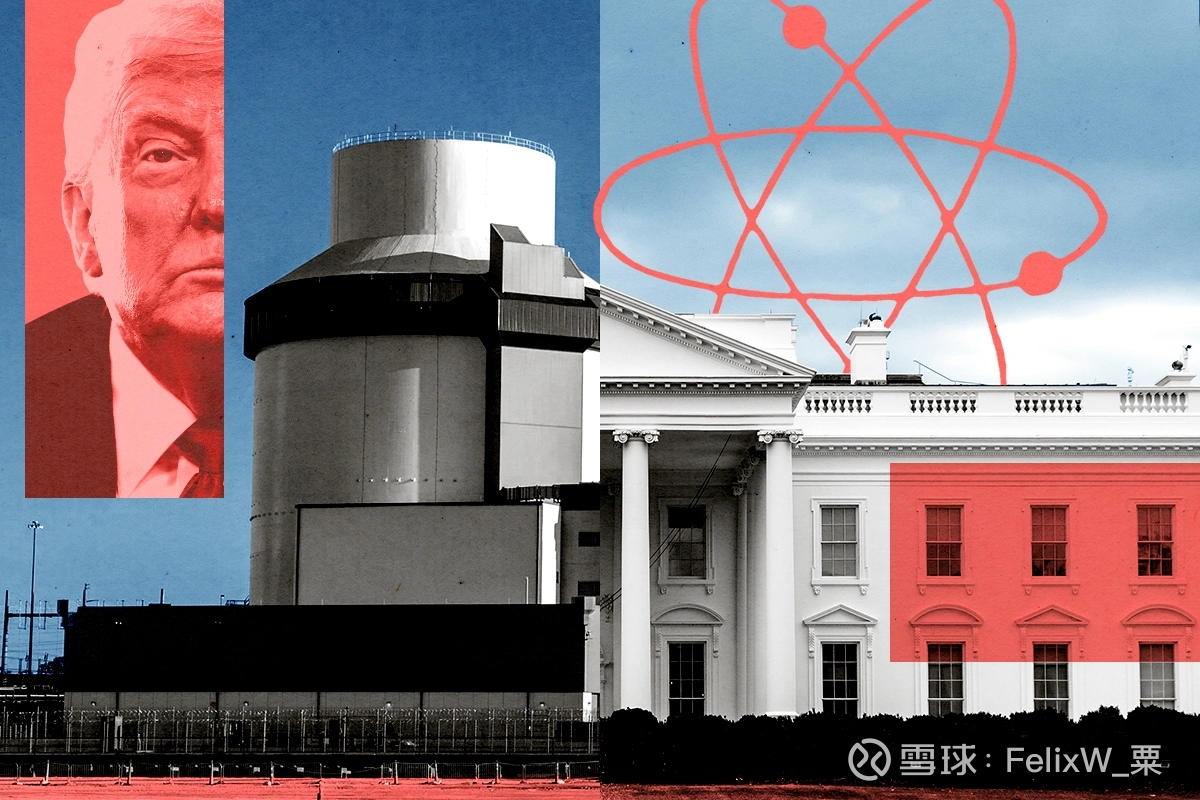
据两位知情人士透露,美国能源部与西屋电气公司已开始与公用事业公司和核电开发商举行会谈,这是旨在推动美国30多年来最大规模新建核电站项目的一部分。这些讨论表明,特朗普政府建设新核反应堆机群的雄心勃勃计划,至少在一定程度上正通过能源部向前推进。特朗普总统去年设定了到2030年在全国范围内开工建设10座新反应堆的目标。
知情人士称,该项目旨在采购总发电能力为8至10吉瓦的新核反应堆部件。这些反应堆几乎可以肯定是AP1000型,这是西屋公司生产的第三代反应堆,每台机组发电能力高达1.1吉瓦。AP1000是美国唯一成功部署的第三代反应堆。本世纪10年代初,佐治亚州东部的沃格特勒核电站有两座AP1000反应堆建成并并网发电。全球还有15台同型机组正在运行或建设中。西屋电气和能源部的代表未回应置评请求。
知情人士表示,该项目将利用政府和私人融资来采购那些需要特别长交货期的先进反应堆设备。它将通过实质上对部分部件进行单一批量采购的方式,力求降低反应堆成本,从而使西屋电气能够投资并扩大其生产规模。这也可能加快核电站本身的建设进度。能源部正在与四到五个潜在合作伙伴(包括公用事业公司、独立电力生产商和核电开发公司)商谈加入该项目的事宜。根据该计划,这些公用事业公司或开发商将同意各自购买两座新反应堆的部件。该项目将部分由能源部内部的银行——贷款计划办公室处理,该办公室被特朗普政府称为“能源主导融资办公室”。
这种基于批量部署的核电建设方法在过去曾获得成功。20世纪70年代石油危机冲击法国后,法国政府计划在大约十年内建造超过36座反应堆,从而得以快速且低成本地建成。法国至今仍拥有全球最低的碳强度电力之一。相比之下,自2000年以来,美国仅建成了三座新核反应堆,总装机容量约3.5吉瓦,且自1990年以来其核电装机规模没有显著扩大。特朗普政府在今年5月设定目标,到本世纪中叶,将目前约100吉瓦的核能总产量提高两倍,达到400吉瓦以上。
过去一年里,特朗普政府和国会共和党人时不时宣布扩大核电装机容量的计划,尽管项目细节一直很少。宾夕法尼亚州共和党参议员戴夫·麦考密克在去年7月的一次能源峰会上宣布,西屋电气正推进到2030年在全国建设10座新反应堆的计划。10月,商务部长霍华德·卢特尼克宣布了一项美国政府、私募股权公司布鲁克菲尔德资产管理公司与铀业公司卡梅科之间的新协议,计划在全美部署价值800亿美元的新西屋反应堆。(自西屋电气2017年因建设成本超支破产后,一家布鲁克菲尔德子公司与卡梅科已共同拥有该公司。)路透社上月报道称,该协议旨在实现特朗普政府2030年的目标。
尽管多年来共和党人曾多次尝试扩大核电装机容量,但不断增长的电力需求和人工智能数据中心的蓬勃发展使这个问题再次成为焦点。这一次,民主党 politicians 也宣布了在本州促进核电发展的计划。1月,纽约州州长凯西·霍楚尔设定了在纽约州建设4吉瓦新核电站的目标。伊利诺伊州州长J·B·普利兹克上周在国情咨文中告诉立法者,他希望到2033年该州至少有2吉瓦的新核电容量投入运行。
如何实现特朗普的核电雄心一直是联邦机构之间的争论点。Politico周四报道称,去年,能源部与西屋电气就一项核战略进行了数月的谈判,期间卢特尼克直接介入与公司的谈判。不久后,商务部发布了这项价值800亿美元的巨额交易的公告,该公告大肆宣传但缺乏细节。这一公告打乱了能源部的计划,但该机构现在似乎已重返谈判桌。据Politico报道,它现在也在与另一家先进反应堆供应商GE日立核能进行“接触”。
原文:
The Department of Energy and the Westinghouse Electric Company have begun meeting with utilities and nuclear developers as part of a new project aimed at spurring the country’s largest buildout of new nuclear power plants in more than 30 years, according to two people who have been briefed on the plans.
The discussions suggest that the Trump administration’s ambitious plans to build a fleet of new nuclear reactors are moving forward at least in part through the Energy Department. President Trump set a goal last year of placing 10 new reactors under construction nationwide by 2030.
The project aims to purchase the parts for 8 gigawatts to 10 gigawatts of new nuclear reactors, the people said. The reactors would almost certainly be AP1000s, a third-generation reactor produced by Westinghouse capable of producing up to 1.1 gigawatts of electricity per unit.
The AP1000 is the only third-generation reactor successfully deployed in the United States. Two AP1000 reactors were completed — and powered on — at Plant Vogtle in eastern Georgia earlier this decade. Fifteen other units are operating or under construction worldwide.
Representatives from Westinghouse and the Energy Department did not respond to requests for comment.
The project would use government and private financing to buy advanced reactor equipment that requires particularly long lead times, the people said. It would seek to lower the cost of the reactors by placing what would essentially be a single bulk order for some of their parts, allowing Westinghouse to invest in and scale its production efforts. It could also speed up construction timelines for the plants themselves.
The department is in talks with four to five potential partners, including utilities, independent power producers, and nuclear development companies, about joining the project. Under the plan, these utilities or developers would agree to purchase parts for two new reactors each. The program would be handled in part by the department’s in-house bank, the Loan Programs Office, which the Trump administration has dubbed the Office of Energy Dominance Financing.
This fleet-based approach to nuclear construction has succeeded in the past. After the oil crisis struck France in the 1970s, the national government responded by planning more than three-dozen reactors in roughly a decade, allowing the country to build them quickly and at low cost. France still has some of the world’s lowest-carbon electricity.
By comparison, the United States has built three new nuclear reactors, totaling roughly 3.5 gigawatts of capacity, since the year 2000, and it has not significantly expanded its nuclear fleet since 1990. The Trump administration set a goal in May to quadruple total nuclear energy production — which stands at roughly 100 gigawatts today — to more than 400 gigawatts by the middle of the century.
The Trump administration and congressional Republicans have periodically announced plans to expand the nuclear fleet over the past year, although details on its projects have been scant.
Senator Dave McCormick, a Republican of Pennsylvania, announced at an energy summit last July that Westinghouse was moving forward with plans to build 10 new reactors nationwide by 2030.
In October, Commerce Secretary Howard Lutnick announced a new deal between the U.S. government, the private equity firm Brookfield Asset Management, and the uranium company Cameco to deploy $80 billion in new Westinghouse reactors across the United States. (A Brookfield subsidiary and Cameco have jointly owned Westinghouse since it went bankrupt in 2017 due to construction cost overruns.) Reuters reported last month that this deal aimed to satisfy the Trump administration’s 2030 goal.
While there have been other Republican attempts to expand the nuclear fleet over the years, rising electricity demand and the boom in artificial intelligence data centers have brought new focus to the issue. This time, Democratic politicians have announced their own plans to boost nuclear power in their states.
In January, New York Governor Kathy Hochul set a goal of building 4 gigawatts of new nuclear power plants in the Empire State.
In his State of the State address, Governor JB Pritzker of Illinois told lawmakers last week that he hopes to see at least 2 gigawatts of new nuclear power capacity operating in his state by 2033.
Meeting Trump’s nuclear ambitions has been a source of contention between federal agencies. Politico reported on Thursday that the Energy Department had spent months negotiating a nuclear strategy with Westinghouse last year when Lutnick inserted himself directly into negotiations with the company. Soon after, the Commerce Department issued an announcement for the $80 billion megadeal, which was big on hype but short on details.
The announcement threw a wrench in the Energy Department’s plans, but the agency now seems to have returned to the table. According to Politico, it is now also “engaging” with GE Hitachi, another provider of advanced nuclear reactors.
#今日话题# #核电概念股# #天然铀# $中广核矿业(01164)$ $铀矿ETF-Global X(URA)$ $Cameco Corp(CCJ)$